Efficient waste management is an ongoing challenge for growing towns and cities. As populations increase, so does the volume of residential, commercial, and industrial waste. Meeting environmental regulations, improving recycling rates, and minimizing landfill usage are essential goals for any community. For residents and businesses searching for optimized waste solutions in their area, the Fayetteville Transfer Station has become a crucial link in the local waste management chain, providing both convenience and sustainability.
Centralizing Waste Collection and Distribution
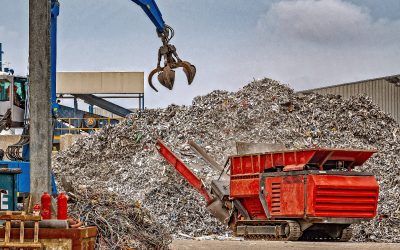
A primary function of a transfer station is to centralize waste collection from multiple sources before it is transported to its final destination. Instead of numerous trucks making long trips to distant landfills or processing facilities, local haulers deliver waste to the transfer station. Here, the waste is sorted, consolidated, and loaded onto larger vehicles, which are far more efficient for long-haul transport. This approach significantly reduces fuel consumption, traffic congestion, and road wear, all while streamlining operations for local haulers.
By serving as a central hub, the Fayetteville transfer station enables:
• Reduced transportation costs: Fewer trips to landfills and processing facilities save money for both waste haulers and taxpayers.
• Lower emissions: Consolidating loads means fewer vehicles on the road, contributing to improved air quality.
• Enhanced efficiency: Local haulers can serve more customers with quicker turnaround times.
Supporting Recycling and Environmental Initiatives
Transfer stations play a vital role in supporting recycling and sustainability efforts. At the Fayetteville transfer station, materials are separated and diverted from the general waste stream, making it easier to process recyclables and reduce what ends up in landfills. This not only conserves valuable landfill space but also helps communities meet recycling goals and comply with environmental regulations.
Key environmental benefits include:
• Separation of recyclables: Transfer stations typically sort out materials like cardboard, metals, and plastics, which are then sent to specialized recycling facilities.
• Hazardous waste management: Some transfer stations provide safe collection points for hazardous materials, ensuring they are disposed of properly and do not contaminate the environment.
• Waste stream data: By monitoring the types and quantities of waste collected, communities can identify trends and improve waste reduction strategies.
Enhancing Community Convenience and Safety
For residents and businesses, a transfer station adds a layer of convenience and safety. Instead of traveling long distances to dispose of waste, individuals can access a local, well-managed facility. This is especially helpful for those undertaking home renovations, landscaping projects, or commercial cleanouts.
Additional community benefits include:
• Safer neighborhoods: Centralized waste collection reduces illegal dumping and littering.
• Better public health: Proper waste handling and reduced illegal dumping help prevent vermin infestations and lessen pollution risks.
• Community engagement: Transfer stations often provide educational resources, helping residents understand proper disposal and recycling practices.
Building a Sustainable Future
Streamlining waste management is more than just a logistical improvement—it is a commitment to environmental responsibility and community well-being. By acting as an efficient link in the waste management process, the Fayetteville transfer station helps local communities reduce their environmental footprint, save costs, and maintain cleaner neighborhoods. As waste disposal needs evolve, facilities like this will continue to play a pivotal role in supporting both current and future generations.
If you are looking for effective and responsible waste disposal solutions in your area, consider how utilizing a local transfer station can benefit your community. Take the next step toward a cleaner, greener future—find out how your local facility can help you manage waste more efficiently today.